
Classified Balance Sheet Template, Purpose, Classifications, Example
- Posted by titanium medical
- 0 Comment(s)

It also checks if the company has enough to pay its debts soon through the current ratio and keeps track of payables and services. Just like organizing our toy box makes playtime better, a classified balance sheet helps everyone understand the company’s financial health. A classified balance sheet provides a structured and clear view of a company’s financial position, allowing for better decision-making and strategic planning. By understanding the detailed breakdown of assets and liabilities, businesses can maintain transparency and foster long-term financial stability.
Top Categories
Current liabilities incorporate all debts that will become due for the current time. Basically, this is the amount of principle needed to be repaid in the following year. The most widely recognized current liabilities are accrued expenses and Accounts payable. Those three inquiries are the principal parts of a Classified balance sheet. What a business owns is called assets, what it owes is displayed as liabilities, and how much in a classified balance sheet assets are usually the business is worth equivalents equity. The first group is called “current assets,” which are things the business plans to use or turn into cash within one year, like the money in the cash register or the supplies in the store.
following categories:
- Save time with automated accounting—ideal for individuals and small businesses.
- If a company has surplus cash available and it sees a valuable investment opportunity in some other business, it can decide to buy a stake in it.
- Understand key principles, revenue recognition methods, and best practices to improve your knowledge.
- Current liabilities include all debts that will become due in the current period.
- Fair disclosure is also one of the benefits offered by a classified balance sheet.
This simple equation does a lot in demonstrating that shareholders’ equity is the residual value of assets minus liabilities. An investor who is keen on the everyday tasks and profitability of the firm might want to compute the current ratio. In a balance sheet, he would need to profoundly plunge into each segment and read notes explicitly for each liability and asset.
What is Operating Profit Ratio? Guide With Examples
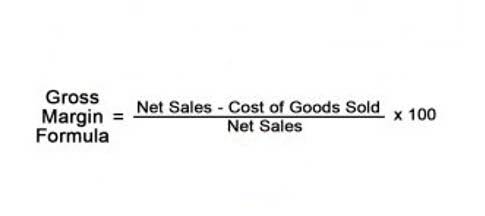
Whatever system of classification is used should be applied on a consistent basis, so that balance sheet information is comparable over multiple reporting periods. There are many advantages to using this kind of sheet, but it’s important for organizations to understand what a classified balance sheet is, why it’s important and what it shows. Rick is a highly accomplished finance and accounting professional with over a decade of experience. Specializing in delivering exceptional value to businesses, QuickBooks ProAdvisor Rick navigates the complexities of the financial realm easily. His expertise spans various industries, consistently providing accurate insights and recommendations to support informed decision-making. Rick simplifies complex financial concepts into actionable plans, fostering collaboration between finance and other departments.
Add Equity and Liability

Cash equivalents are assets that can be used in a year or converted into cash. Helps users of financial statements assess liquidity, solvency, and financial position by distinguishing between short-term and long-term items. The classified balance sheet is presented in a vertical format, typically listing assets first, followed by liabilities and equity. By organizing financial data into clear categories, it offers deeper insights into liquidity, financial health, and the nature of assets and liabilities. Online Accounting The only difference between a classified and unclassified balance sheet is that a classified balance sheet “classifies” assets, liabilities, and equity into more specific categories.
- Understanding and implementing a classified balance sheet is crucial for accurate financial reporting.
- Basically, this is the amount of principle needed to be repaid in the following year.
- The data reported in the balance sheet is used by different users in different ways.
- For instance, they can use measurements like the current ratio to assess the company’s leverage and solvency by comparing the current assets and liabilities.
- It likewise educates a lot about the executives who are not only about the valuations but also how these have been calculated.
- Yes, balance sheets are also known as the Statement of Financial Position.
Organizing Assets by Current and Non-Current Categories
A classified balance sheet organizes assets, liabilities, and equity into specific categories for clarity and detailed financial analysis. These business documents are prepared in conjunction with other major financial documents like the profit and loss statement and cash flow statement. In addition to quarterly statements, most businesses also produce annual reports at the end of their fiscal year that include a balance sheet. Using all three financial documents together is a key aspect of business accounting to ensure that a company’s finances are handled responsibly. The sample classified balance sheet below offers an idea of what your own company’s classified balance sheet could look like. The equity section of a classified balance sheet is very simple and similar to a non-classified report.

We focus on delivering accurate financial statements, ensuring regulatory compliance, and improving financial transparency for our clients. By leveraging intelligent reporting tools, we help businesses maintain classified balance sheets with ease, offering a range of services like financial analysis, audit preparation, and more. The Classified Balance Sheet is an essential financial tool that enhances the clarity of financial reporting by grouping assets, liabilities, and equity into meaningful categories. It provides detailed insights into a company’s financial health, helping stakeholders make informed decisions regarding liquidity, solvency, and long-term financial strategy. Assets and liabilities that are considered off-balance sheet (OBS) assets and liabilities will not appear on a classified balance sheet.
Applying the Accounting equation in a classified balance sheet is a very simple process. To start with, you need to recognize and enter your assets appropriately, allocating them to the right categories. Tools like ERP.AI help auto-generate accurate balance sheets by pulling real-time financial data, improving compliance and decision-making. For example, if a company has a lot of long-term assets like buildings and patents, it might mean the company is set up to make money for a long time.